

.svg)
 Healthcare
 Finance
 Retail
 SaaS & Digital
 eCommerce
 Education
 Salesforce
  HubSpot
 Pipedrive
 Mailchimp
 Klaviyo
 Zendesk
  Intercom
 Freshdesk
 HelpScout
  Front
Front Jira
Jira Slack
Slack  MS Teams
 Zoom
Zoom Google Sheets
  Zapier
  Integrately
 Make
Make  Webhooks




 MS Teams


This year has been a defining one for us at Zonka Feedback.
2025 was the year we took a major step forward with the launch of AI Feedback Intelligence, reimagining how teams understand and act on customer feedback at scale. What started as an idea to solve our customers’ growing challenges quickly became a full-fledged transformation of how feedback is unified, analyzed, and acted on.
But this year wasn’t just about launching a new product. It was about evolving the platform to meet a changing reality. Unifying feedback from more sources. Making insights clearer and more actionable. Strengthening automation and integrations. And refining the platform experience so teams can move quickly without added complexity.
As we look back on 2025, this Year in Review captures the progress we made, the milestones that mattered, and how Zonka Feedback continued to evolve into a comprehensive customer feedback and intelligence platform built for scale.
Here’s a look at what defined 2025 at Zonka Feedback.
The Biggest Milestone-Launch of AI Feedback Intelligence 🚀
The launch of AI Feedback Intelligence was not a single release moment. It was the result of months of deep work, countless iterations, and continuous learning.
As feedback volumes grew across surveys, support tickets, chats, and reviews, we saw a clear pattern emerging. Teams were not struggling to collect feedback anymore. They were overwhelmed by it. Insights were buried in open-text comments, scattered across tools, and impossible to analyze consistently at scale.
We took this challenge head-on, building a platform that unifies feedback from every source and makes sense of high-volume, unstructured data without manual effort. Every model and workflow was designed to help teams understand what customers are saying and act faster.
Alongside development, we ran extensive customer validation calls with CX, Product, and Support leaders and heard the same challenges repeatedly:
- “We have feedback everywhere, but no single view.”
- “Dashboards show scores, not reasons.”
- “Manual tagging doesn’t scale.”
- “By the time insights surface, it’s already too late to act.”
We even released a research report on AI in feedback analytics that showcases our findings from the 100+ validation calls that we had. You can also download the research report to understand the state of AI in feedback analytics.
These insights directly influenced how AI Feedback Intelligence was built.
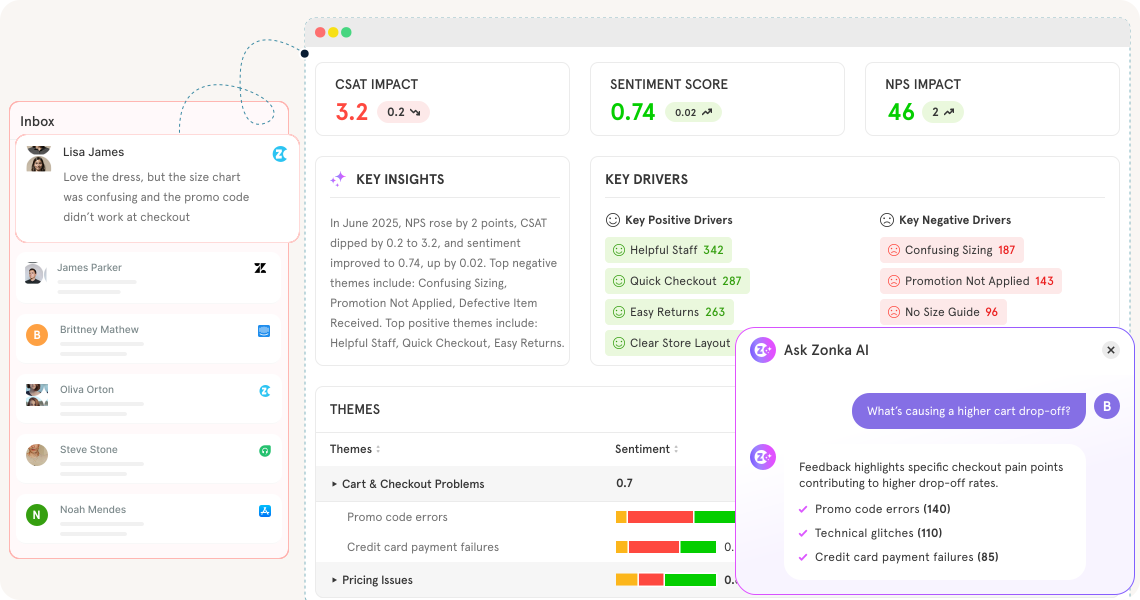
The result was a platform that:
- Unifies feedback from surveys, tickets, chats, reviews, and external systems
- Automatically detects themes, sub-themes, sentiment, emotion, intent, and urgency
- Connects qualitative feedback to impact on CX metrics like NPS, CSAT, and CES
- Surfaces prioritized Key Insights instead of static reports
- Powers workflows, alerts, and ownership for faster action
AI Feedback Intelligence marked a turning point for Zonka Feedback. It shifted the platform from feedback collection to continuous feedback intelligence. Always on. Always learning. Always actionable.
This launch became the foundation for everything that followed this year. Smarter integrations. Deeper insights. And a roadmap shaped by real customer voices.
Bringing Together Feedback from Every Source
One of the key steps in making Zonka Feedback’s AI Feedback Intelligence platform more powerful was enabling teams to plug in their feedback data from anywhere. As customer conversations span surveys, support tools, chats, reviews, and internal systems, this flexibility ensures no insight is missed and every customer voice contributes to a complete, unified view.
To make this possible at scale, we focused on two complementary launches. One that allows teams to programmatically bring in feedback from custom and internal systems, and another that makes it effortless to connect popular support and review platforms for instant AI analysis. Together, they ensure feedback from every source can be unified, analyzed, and acted on seamlessly.
1. Unifying External Feedback with Add Response API
To ensure no feedback is left out, we launched the Add Response API.
This API allows teams to push feedback into Zonka Feedback from any external system. Apps, CRMs, kiosks, offline tools, or internal platforms. Feedback is sent in a structured format with contact details, hidden variables, and metadata, making it instantly ready for analysis.
By bringing external feedback into the same intelligence layer as survey data, teams can analyze all customer input together and unlock deeper, more accurate insights.
2. Plug-and-Play Data Sources for AI Analysis
We also introduced plug-and-play data sources for AI Feedback Intelligence, making it easy to analyze feedback from popular tools without manual setup.
Teams can now connect platforms like Zendesk, Intercom, Freshdesk, app stores, and review platforms, and let AI automatically analyze tickets, conversations, and reviews. Themes, sentiment, and patterns are surfaced instantly, without spreadsheets or manual tagging.
- Zendesk: Pull support tickets from Zendesk into Zonka Feedback and let AI analyze conversations to uncover recurring issues, patterns, and key drivers of customer dissatisfaction or praise.
- Intercom: Turn chat conversations from Intercom into clarity. AI surfaces common questions, requests, and friction points from support chats, helping teams focus on what matters most.
- Freshdesk: Sync historical and live tickets from Freshdesk to identify high-impact issues and root causes at scale. AI clusters themes so teams can reduce repeat tickets and act faster.
- App Store & Play Store: Automatically analyze app reviews to uncover bugs, feature requests, and sentiment trends, helping product teams prioritize updates based on real user feedback.
- Trustpilot: Bring public reviews into the same intelligence layer. AI organizes praise, complaints, and trends so teams can track reputation and take informed action.
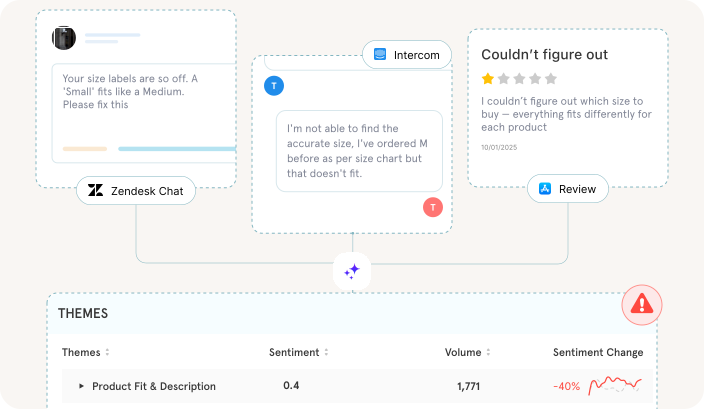
Together, these launches ensure that feedback from every channel becomes actionable intelligence, all in one place.
A New Look. Built for Clarity, Focus, and Scale
As Zonka Feedback evolved into a more powerful feedback intelligence platform, we knew the experience had to evolve with it.
This year, we redesigned the platform to clearly reflect how teams use Zonka Feedback today. As feedback collection, intelligence, and reputation management evolved into distinct yet connected workflows, the platform needed a structure that made each area easy to access and act on. The result was a structural redesign built around clarity. Ensuring teams can quickly move between collecting feedback, analyzing it, and managing public sentiment without friction.
One of the most important changes was organizing the platform into three clear hubs, each aligned to a core stage of the feedback journey.
-
Survey Hub brings everything related to feedback collection into one place. Creating surveys, managing channels, and analyzing survey reports is now simpler and more intuitive.
-
Intelligence Hub is where feedback turns into understanding. It houses AI Feedback Intelligence projects, Key Insights, themes, sentiment, and analysis across all connected data sources.
-
Reputation Hub helps teams manage and analyze public reviews at scale. By bringing reputation management into the same platform, teams can connect public sentiment with internal feedback more easily.
Alongside this structural shift, we also refreshed key workflows across the platform. The survey builder was redesigned to be faster and more intuitive, editing and logic were streamlined, and real-time previews made it easier to create polished surveys with confidence.
The new look brings clarity to how teams work with feedback across Zonka Feedback. With clearly defined hubs and streamlined workflows, teams can focus on the task at hand without losing context. It reflects a platform designed to scale with growing feedback volumes while staying intuitive for everyday use.
Smarter Automation That Takes Action Faster
As feedback became richer and more complex this year, we invested in making automation not just more powerful, but more intuitive and context-aware. The goal was simple: help teams respond to feedback with precision, without adding manual effort.
These updates turned workflow automation into a true engine that doesn’t just trigger actions, but triggers the right actions based on deeper understanding.
1. Trigger Workflows Based on Survey Language
Not all feedback is created equal—sometimes it matters which language a response is written in. To support global teams and multilingual feedback programs, we introduced language-based workflow triggers. With this update, teams can build workflows that react differently depending on the language of the survey response.
For example:
- Route Spanish responses to Latin America support teams
- Send localized follow-ups based on the respondent’s language
- Trigger internal alerts for responses in specific languages
This makes automation smarter and more relevant for teams operating in global markets, helping them personalize action and route feedback accurately without manual filters.
2. More Powerful Comment-Based Workflow Conditions
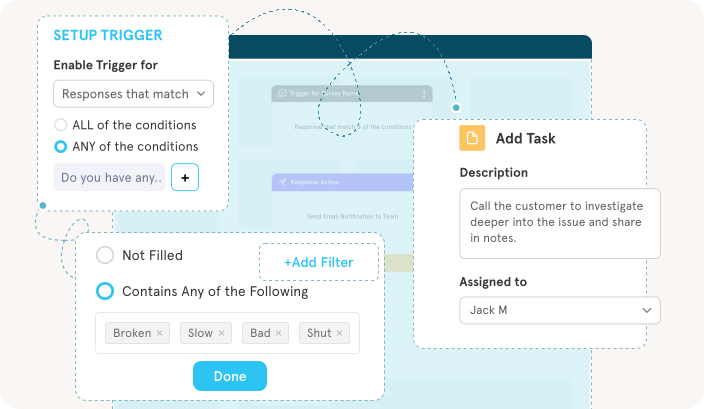
Open-text feedback contains rich context, but not all keywords or phrases should trigger actions equally. This year, we expanded workflow capabilities with improved comment text conditions, giving teams more control over how text-based feedback drives automation.
With enhanced logic, workflows can now respond to conditions such as:
- Exact phrase matches
- Any keyword in a list
- Exclusion of specific terms
- Flexible combinations of keywords
This flexibility helps teams distinguish between praise, issues, bugs, and nuanced sentiment without manual tagging. Whether routing tickets, tagging responses, or firing alerts, workflows now trigger with greater accuracy and relevance.
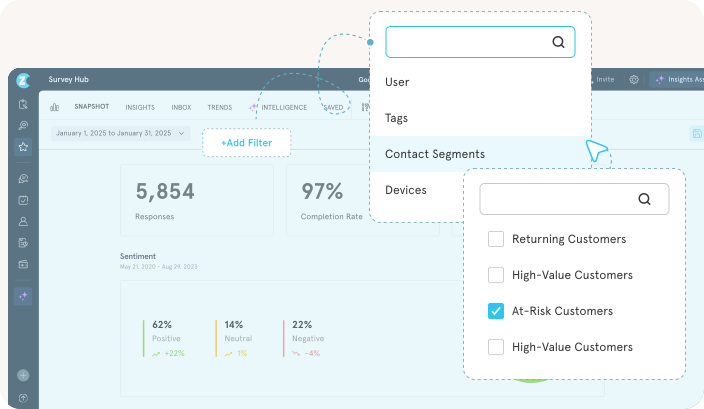
3. More Focused Insights with Contact Segment Filters in Analytics
As feedback scaled, so did the need for more relevant insights. This year, we introduced Contact Segment Filters in Analytics to help teams analyze feedback from specific customer groups, not just overall averages.
Teams can now:
- Use static or dynamic segments as filters in Survey Hub Analytics
- Filter by attributes like plan, location, or user type
- Segment by behavior, scores, or interaction history
This makes it easier to compare experiences across audiences and focus on what matters most to each group.
By turning broad feedback into targeted insights, analytics became more actionable and decision-ready.
 Deeper Integrations for Faster, Smarter Action
As feedback moved closer to real-time action, we focused on making integrations more powerful and more practical. This year’s updates ensured feedback flows seamlessly into the tools teams already use, with better context, less noise, and faster follow-up.
1. Deeper Salesforce Integration
We strengthened the Salesforce integration to make sending and personalizing surveys easier and more scalable.
- Use Salesforce Lightning Email Templates for Surveys: Send surveys using native Lightning Email Templates. No custom HTML needed. Just drag, drop, and personalize with Salesforce’s responsive designs.
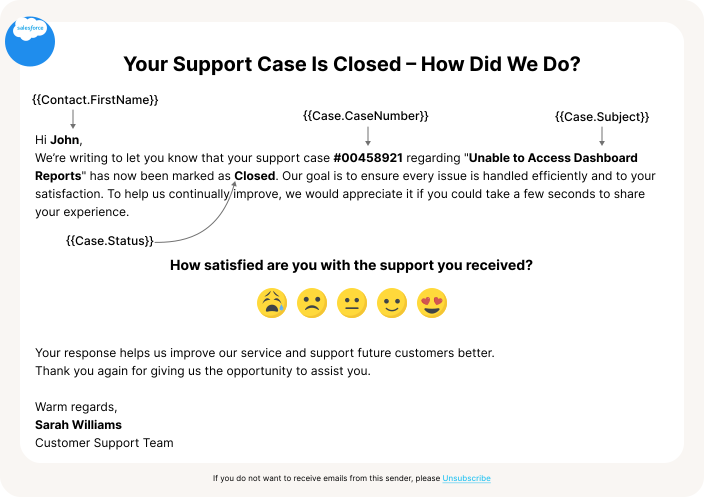
- Personalized Surveys with Salesforce Merge Fields: Embed the first survey question directly into Salesforce emails and personalize messages using merge fields like contact name or case number. Perfect for post-ticket and onboarding feedback.
These updates make it easier for teams to run branded, personalized surveys directly from Salesforce workflows.
2. Deeper Zendesk Integration
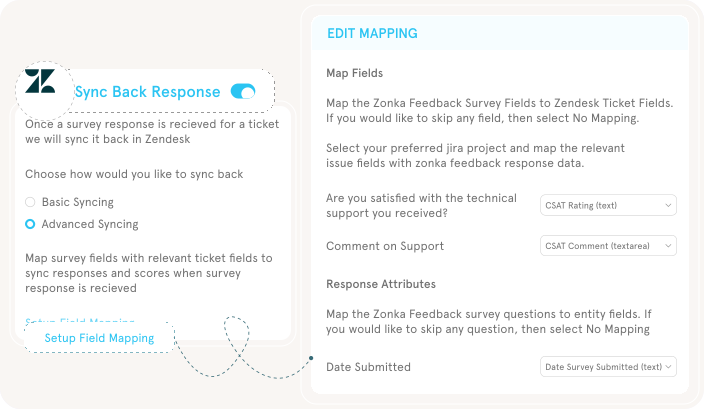
We introduced powerful enhancements to help support teams connect feedback with ticket workflows.
- Advanced Zendesk Field Mapping: Map survey fields directly to Zendesk ticket fields. NPS, CSAT, and custom responses automatically update tickets, giving agents instant visibility into customer sentiment.
- Ticket-Based Survey Throttling: Prevent over-surveying by sending surveys only once per ticket, even if it’s updated multiple times. This improves customer experience and keeps feedback data clean.
3. Deeper Freshdesk Integration
Freshdesk integrations were enhanced to reduce noise and improve feedback quality.
- Ticket-Based Survey Throttling for Freshdesk: Surveys are now sent only once per ticket across Email and SMS, even if the ticket is updated multiple times. This avoids duplicate responses and ensures a better customer experience.
Together, these integration updates helped teams close the loop faster by bringing feedback directly into their everyday tools.
Small Enhancements. Big Impact ✨
Alongside major launches, we continued refining the everyday details that make feedback easier to collect, more personal, and more inclusive. These improvements focused on helping teams scale globally while delivering more contextual, human experiences.
1. Expanded Language Support
To support global teams and audiences, we added Latvian 🇱🇻 and Slovak 🇸🇰 to our growing list of supported languages. Teams can now create and distribute surveys in these languages, making it easier to capture localized, inclusive feedback and expand into new regions.
2. More Context with Dynamic Question Descriptions
We extended data piping beyond question text to question descriptions. Teams can now dynamically show details like customer name, product, or ticket ID directly within descriptions, adding context and making surveys feel more relevant.
This works seamlessly with contact details, hidden fields, integration data, and selected choices, helping guide respondents without adding friction.
3. Personalized Messaging Across Every Exit Screen
Personalization didn’t stop at questions. This year, we enabled merge fields across all exit screens, not just one. Teams can now personalize thank-you messages using names, ticket IDs, or custom data, no matter how a respondent moves through the survey.
Together, these enhancements made surveys more personal, localized, and polished. Improving both response quality and customer experience without adding complexity.
4. Organizational NPS for a Unified View
We introduced Organizational NPS to help teams track customer loyalty at an organization level, not just at an individual contact level. This makes it easier for B2B teams to understand overall account sentiment, identify at-risk accounts, and take action based on aggregated feedback across stakeholders.
5. More Flexibility with Up to 10-Point Rating Scales
To support more nuanced feedback, we added the ability to use up to a 10-point rating scale in surveys. This gives teams greater flexibility to measure satisfaction, effort, and experience in a way that aligns with their internal benchmarks and reporting needs.
Strengthening Trust with Smarter Security
As feedback programs scale, protecting respondent data and ensuring survey integrity becomes even more critical. This year, we introduced additional security controls to help teams collect feedback with greater confidence.
1. OTP Verification Before Survey Access
We added OTP-based verification to ensure only verified respondents can access and complete surveys. Before starting a survey, users are required to enter their mobile number and verify it via an SMS OTP.
This update helps teams:
- Prevent unauthorized or duplicate responses
- Run controlled or gated feedback programs
- Secure surveys tied to rewards or sensitive use cases
By adding an extra layer of verification, teams can maintain data integrity while delivering a secure and trustworthy feedback experience.
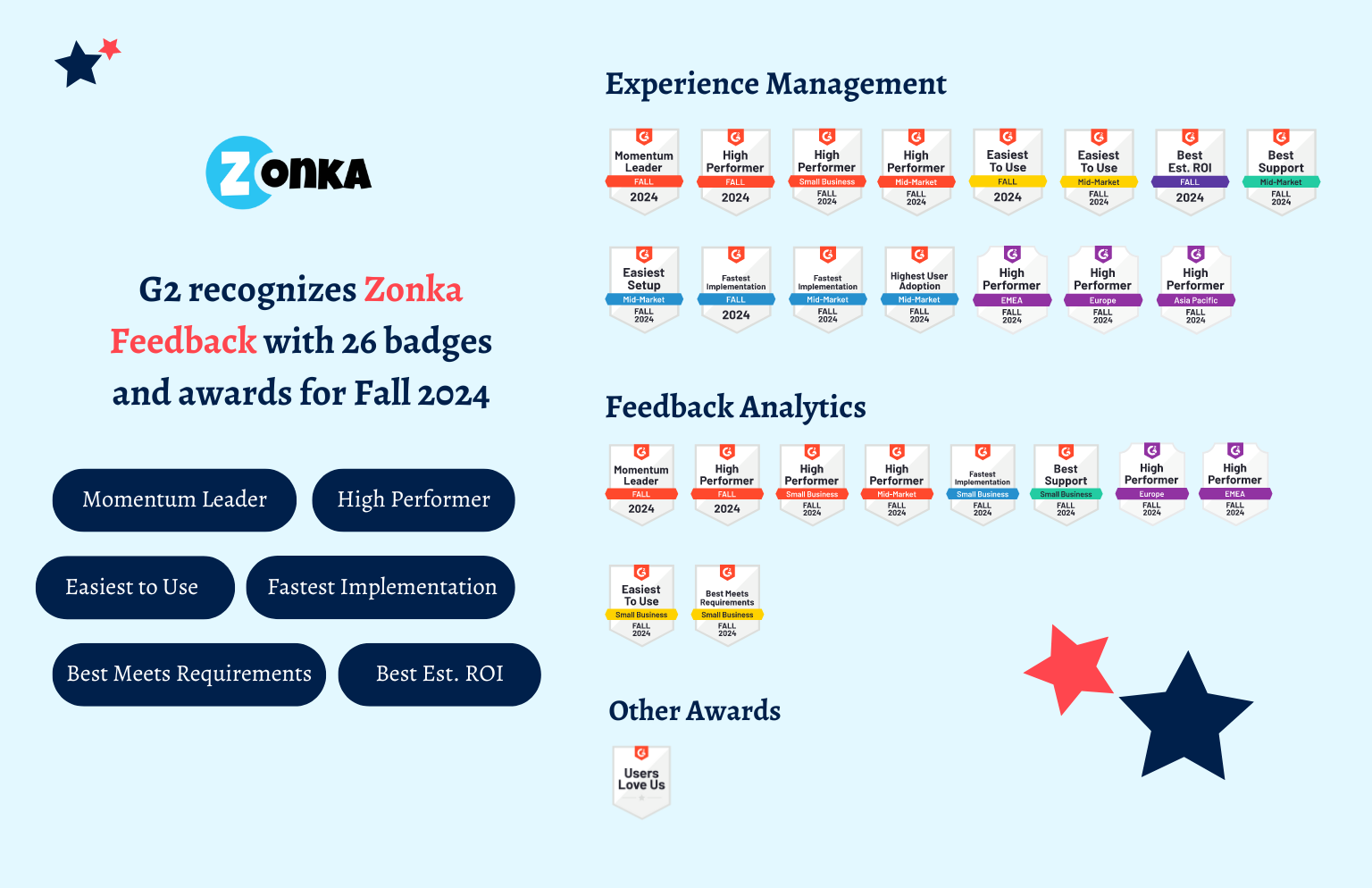
Recognized by Customers Worldwide. G2 Awards 🏆
Customer trust continued to be our biggest validation this year.
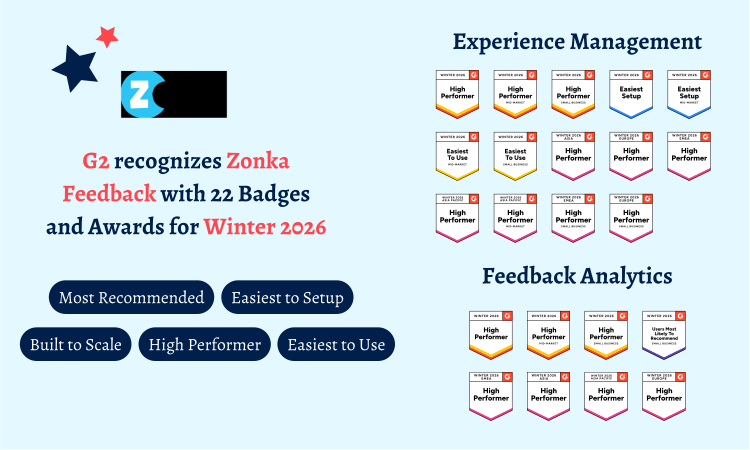
This year, Zonka Feedback was consistently recognized by G2 across multiple reports and regions. A reflection of the trust our customers place in us and the impact they see every day.
Across Experience Management, Text Analytics, and Feedback Analytics categories, we earned:
- 22 badges in Winter 2026
- 27 badges in Fall 2025
- 27 badges in Summer 2025
- 29 badges in Spring 2025
We were recognized for excellence across multiple award categories, including:
- Best Support
- High Performer
- Best Estimated ROI
- Easiest to Use
- Easiest to Set Up
- Momentum Leader
- Highest User Adoption
- Users Most Likely to Recommend
We were also recognized across regions including Asia, EMEA, Europe, Asia Pacific, and India, highlighting the global impact of our platform.
These badges are more than milestones. They represent real customer outcomes, strong partnerships, and our continued focus on building a platform that delivers value from day one.

What’s Next. Building What Comes After Feedback 🔮
This year set the foundation. The next phase is about going deeper, faster, and more proactive with feedback intelligence.
- Stronger Feedback Intelligence: AI Feedback Intelligence will continue to evolve with sharper models and richer context across data sources. As feedback volumes grow, the platform will surface clearer signals, deeper drivers, and more precise insights that help teams stay ahead of issues and opportunities.
- A More Powerful Ask AI: Ask AI, our very own research assistant, will play a bigger role in turning feedback into action. From answering complex questions about customer experience to highlighting risks, trends, and recommendations, Ask AI will help teams move from analysis to decisions with greater speed and confidence.
- More Integrations. More Data Sources.: We’re expanding integrations and unlocking more data sources to ensure every customer conversation can be analyzed. Whether feedback lives in internal systems, support tools, or public channels, it will feed into one unified intelligence layer.
The focus stays the same. Make feedback easier to understand, faster to act on, and more impactful for every team.
Ending the Year Strong. And Looking Ahead with Confidence ✨
This year reinforced a simple belief. Feedback has the power to drive real change when it’s understood and acted on in the right way.
With AI Feedback Intelligence at the core, smarter automation, deeper integrations, and a more focused platform experience, Zonka Feedback is helping teams move beyond listening. Toward clarity, ownership, and impact.
As we step into the year ahead, our focus remains on building tools that make feedback easier to work with, faster to interpret, and more connected to action. So teams can spend less time analyzing data and more time improving experiences.
Thank you for being part of this journey. Here’s to continuing to learn, build, and shape the future of feedback.
Join Us in Shaping the Future
The future of feedback is already taking shape. And it’s smarter, faster, and more actionable than ever.
Book a demo and explore how Zonka Feedback can transform the way you collect, analyze, and act on customer insights.
Here’s to building better experiences and making feedback truly meaningful in the year ahead.

.png)
.png)
.png)