

.svg)
 Healthcare
 Finance
 Retail
 SaaS & Digital
 eCommerce
 Education
 Salesforce
  HubSpot
 Pipedrive
 Mailchimp
 Klaviyo
 Zendesk
  Intercom
 Freshdesk
 HelpScout
  Front
Front Jira
Jira Slack
Slack  MS Teams
 Zoom
Zoom Google Sheets
  Zapier
  Integrately
 Make
Make  Webhooks




 MS Teams
%20in%20Healthcare%20%26%20Patient%20Satisfaction_%20Meaning%2c%20Calculation%2c%20Benchmark%20%26%20More.svg)


TL;DR
-
Net Promoter Score (NPS) is an effective metric to measure and improve patient loyalty in healthcare. It categorizes patients into promoters, passives, and detractors.
-
2026 brings updated healthcare NPS benchmarks (35-45 average), with top performers reaching 87+ and AI-powered analysis tools transforming feedback collection.
-
NPS can be applied across multi-location hospitals, telehealth services, post-discharge care, emergency departments, and patient advocacy programs.
-
Patient trust has dropped from 70% to 40% since 2020, while 64% of providers report staffing shortages reducing access—making NPS measurement more critical than ever.
Imagine a patient leaving your hospital after a successful treatment. While they were satisfied with the care they received, their experience was marred by a long wait time and a lack of follow-up post-discharge. Despite the positive outcome, the fragmented journey leaves them uncertain about recommending your services. This scenario is all too common in healthcare, where gaps in patient experience can overshadow clinical success.
As the industry shifts toward patient-centric models, addressing these gaps has become paramount. This is where Net Promoter Score (NPS) plays a transformative role. More than just a metric, NPS measures patient satisfaction and loyalty, uncovering actionable insights to improve care quality, enhance trust, and drive organizational growth.
It is no wonder that organizations with high NPS scores grow twice as fast as their competitors. For healthcare providers, the stakes are even higher—better NPS scores translate into stronger patient trust, improved adherence to treatment plans, and valuable word-of-mouth referrals. Leaders like Kaiser Permanente and Johns Hopkins Medicine are already leveraging NPS to optimize patient journeys and maintain their reputation for excellence.
Yet 2026 marks a critical inflection point. Patient trust in healthcare has plummeted from 70% in 2020 to just 40% in 2024, while 64% of providers report staffing shortages reducing patient access. The gap between provider perception and patient reality has never been wider—46% of providers believe access has improved, but only 18% of patients agree. With new HCAHPS survey requirements emphasizing care coordination and the rise of AI-powered feedback systems, healthcare organizations must evolve their approach to measuring and improving patient experience.
In this blog, we'll explore how NPS in healthcare is a gamechanger for your organization—from industry-specific applications to practical tips on using it effectively with 2026's latest tools and insights. Let's dive in!
Understanding NPS in Healthcare
As healthcare providers, understanding and improving patient satisfaction is crucial to your success. One effective way to measure this satisfaction is through the Net Promoter Score (NPS). NPS provides you with a straightforward and reliable metric to gauge patient loyalty and satisfaction, helping you to better understand your patients' experiences and make informed decisions to enhance care quality.
What is NPS in Healthcare?
NPS is a metric that quantifies how likely your patients are to recommend your healthcare services to others. It is based on a single, simple question: "On a scale of 0 to 10, how likely are you to recommend our healthcare services to a friend or family member?"
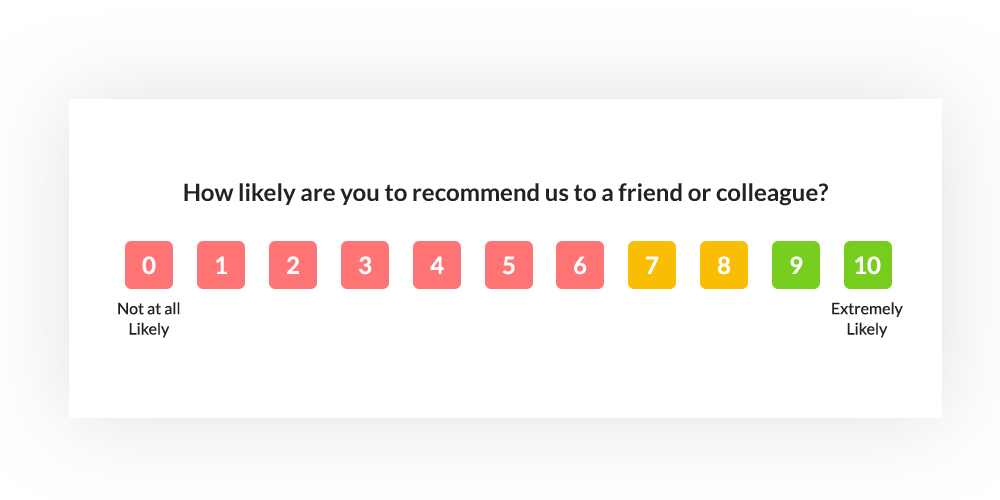
Your patients' responses categorize them into three groups:
-
Promoters (score 9-10): These are your loyal patients who are highly likely to recommend you and contribute positively to your reputation and growth.
-
Passives (score 7-8): These patients are satisfied but not enthusiastic enough to actively promote you. They are also at risk of switching to competitors.
-
Detractors (score 0-6): These patients are unhappy and can negatively impact your reputation through negative word-of-mouth.
-1.png?width=749&height=245&name=Net%20Promoter%20Score%20(NPS)-1.png)
How to Calculate NPS in Healthcare
NPS is calculated by subtracting the percentage of Detractors from the percentage of Promoters. The formula is simple:
Healthcare NPS Formula: Net Promoter Score = % Promoters - % Detractors
For example, if 60% of your respondents are Promoters and 10% are Detractors, your NPS would be 50. For a detailed step-by-step guide on calculating NPS, including response categorization and aggregation methods, refer to our comprehensive guide.
Should your Healthcare Organization Measure NPS?
Determining whether NPS is the right metric requires understanding its purpose and alignment with your goals. Consider these key questions:
1. Will NPS Provide the Insights You Need?
- Transactional Feedback: For specific touchpoints like wait times or post-discharge care, NPS works best alongside other KPIs.
- Relationship Feedback: For long-term patient loyalty measurement, NPS excels as it reveals whether patients feel connected to your organization.
2. Do You Have an Established Relationship with Your Patients?
- Long-Term Care Models: If you engage patients through ongoing treatments or chronic care management, NPS measures cumulative experience and trust.
- Short-Term Interactions: For transactional relationships like ER visits or pharmacy purchases, transactional surveys targeting specific touchpoints may yield more actionable data.
That being said, if your organization prioritizes building lasting relationships with patients, NPS is a powerful tool to measure and enhance that connection, helping you identify areas of improvement and foster loyalty that translates into positive referrals and advocacy.
Why is Measuring Net Promoter Score in Healthcare Important?
As a healthcare provider, it's essential to continuously monitor and improve patient satisfaction. Healthcare Net Promoter Score (NPS) is a powerful tool that can help you achieve this goal. NPS not only measures patient satisfaction and loyalty but also provides valuable insights into areas where your services can improve.
How NPS can Grow your Healthcare Business
- Retaining Patients and Reducing Churn: By identifying at-risk patients (Detractors) and addressing their concerns, you can reduce churn and build lasting relationships. Research shows that retaining an existing patient can be 5–7 times more cost-effective than finding a new one.
- Attracting New Patients Through Advocacy: Promoters are 4.2 times more likely to recommend your services to others, creating a ripple effect of referrals. Many healthcare providers also look to insights from top healthcare PR firms to refine their patient engagement strategies.
- Connecting NPS to Better Outcomes: Studies show that Promoters have a readmission rate of 7.2%, compared to 11.9% for Detractors, allowing you to prioritize improvements that enhance both patient care and operational efficiency.
- Driving Revenue Through Experience: Hospitals with higher NPS scores often report better profitability because happy patients tend to stay loyal, choose additional services, and refer others.
- Building a Stronger Online Reputation: NPS helps you monitor patient sentiment in real time, giving you the chance to address concerns before they turn into negative reviews while leveraging positive feedback from Promoters.
Healthcare Net Promoter Score Benchmarks in 2026
Understanding where your NPS stands relative to industry benchmarks is essential for evaluating patient satisfaction and identifying opportunities for improvement. Healthcare benchmarks provide a reference point, but 2026 brings significant updates to these standards.
What is a Good Net Promoter Score in Healthcare?
Healthcare NPS benchmarks have evolved significantly. In 2026, understanding what constitutes a good NPS requires context:
- Average range: 35-45 (U.S. healthcare providers in 2026)
- 2025 growth: Healthcare NPS increased from 46 to 53 (+7 points year-over-year)
- Top quartile: 50-70 (excellent service)
- World-class: 70+ (exceptional patient loyalty)
- Digital health leaders: Hinge Health (87), TytoCare (83) now outperform traditional providers
Important context: NPS scores vary significantly by specialty and setting. Emergency departments typically score 15-20 points lower than elective care settings due to the inherent stress of emergency visits. Additionally, cultural scoring bias matters—the same patient experience can score 15-20 points lower in Europe versus North America due to different cultural expectations around rating scales.
NPS Benchmarks for Top Healthcare Providers
Several healthcare providers stand out for their exceptional NPS scores. When reviewing NPS scores by company, these organizations showcase how prioritizing patient feedback elevates satisfaction:
| Healthcare Organization | NPS Score | Standout Focus |
| CIMA Hospital | 96 | Advanced medical technology |
| International Hospital Corp | 93 | Operational efficiency and patient-centric care |
| MDI NetworX | 91 | Innovative solutions and patient focus |
| Alliance Healthcare Services | 90 | Diagnostic expertise and innovation |
| Hinge Health (Digital) | 87 | Virtual musculoskeletal care, 98% retention |
| Ear Health Wellington | 86 | Tailored audiology and patient education |
| TytoCare (Digital) | 83 | Telehealth innovation |
These organizations demonstrate that achieving high NPS scores requires a combination of clinical excellence, operational efficiency, and patient-centric care delivery. Digital health providers are increasingly competitive, leveraging technology to deliver convenience and personalized experiences that traditional providers are now working to match.
Practical Applications of NPS in Healthcare
Now that you know the benchmarks, let's explore how you can implement NPS across various aspects of healthcare with 2026's latest approaches:
1. Multi-Location Hospitals and Clinics
For healthcare systems operating multiple facilities, NPS helps identify which locations excel and which need improvement. Use location-based NPS surveys at each branch, access detailed reports to identify patterns, and empower location managers with direct feedback access. Understanding whether to use relationship or transactional NPS helps optimize survey timing for different patient touchpoints.
AI-powered call centers now enable 50+ simultaneous patient outreach calls for location-specific feedback, allowing faster issue identification and resolution across your healthcare system.
2. Staff Performance and Training
Staff interactions shape patient experience from bedside manners to communication clarity. Add follow-up questions to NPS surveys capturing feedback on staff attentiveness and communication, use results to design personalized training programs, and recognize high-performing staff based on Promoter feedback.
AI-generated personalized daily provider scorecards highlight specific communication gaps identified by patients the previous day, enabling immediate coaching opportunities.
3. Post-Discharge Care Follow-Up
The patient journey extends beyond hospital walls. Send post-discharge NPS surveys within 48-72 hours to capture fresh feedback, create automated workflows for Detractor alerts, and implement personalized follow-up protocols including check-in calls and medication reminders.
AI enables 100% discharge follow-up, identifying readmission risks in real-time and triggering preventive interventions before complications arise.
4. Emergency Department Experience
EDs are high-pressure environments where delays and communication gaps lead to dissatisfaction. Improving channels such as a healthcare call center ensures patients feel cared for after visits. Deploy real-time NPS surveys post-discharge, implement digital wait-time displays, and train staff on communication strategies.
Predictive AI dashboards analyze real-time data to optimize triage and reduce perceived wait times through proactive patient communication.
5. Patient Advocacy Programs
Promoters are powerful allies for enhancing reputation. Establish referral programs rewarding Promoters for introducing new patients, incorporate feedback into case studies and testimonials, and leverage social media engagement.
AI-powered NLP analyzes patient feedback with 0.81 Cohen's Kappa reliability, identifying the specific aspects of care that drive promoter behavior for targeted marketing campaigns.
6. Telehealth Services
Understanding how patients perceive virtual care is essential as telehealth grows. Customize NPS surveys for telehealth-specific touchpoints, monitor technical performance trends, and offer real-time support for technical issues.
Multimodal AI contact centers provide 24/7 support via call, text, and chat, with intelligent routing based on patient sentiment and issue complexity.
Implementing NPS Surveys in Healthcare
Implementing NPS surveys in your healthcare practice requires a strategic approach. Understanding when and where to collect NPS surveys maximizes response quality and actionable insights. Here's how to do it effectively:
1. Designing Effective NPS Surveys
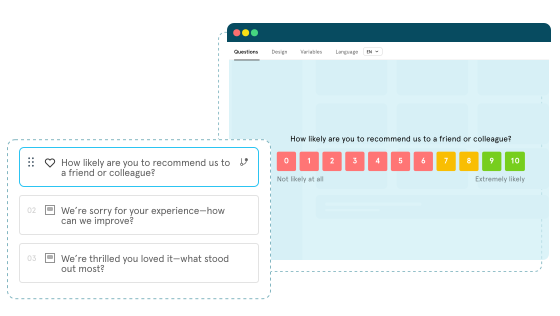
Start with the core NPS question: "On a scale of 0 to 10, how likely are you to recommend our healthcare services?" Add follow-up questions addressing quality of care, communication, wait times, and facility cleanliness. For a complete guide on survey design best practices, question branching, and template selection, see our detailed guide on how to create an NPS survey.
2. Strategic Survey Distribution Across Healthcare Settings
The approach varies by healthcare facility type. Optimizing NPS survey response rates requires selecting the right channels and timing for each setting:
| Setting | Key Touchpoints | Primary Channels | 2026 AI Enhancement |
| Hospitals (Outpatient) | Post-consultation, post-procedure, post-appointment | Email surveys, SMS and WhatsApp, kiosks/tablets | AI sentiment analysis on comments |
| Hospitals (Inpatient) | During stay, at discharge, post-discharge, post-admission | In-room tablets, email/SMS, phone calls | AI provider scorecards with daily feedback |
| Aged Care | Post-admission, quarterly check-ins, post-events | Face-to-face, paper surveys, family surveys | Sentiment trend monitoring |
| Pharmacies | Post-purchase, post-consultation | Receipt QR codes, SMS, in-store kiosks | Real-time service recovery alerts |
| Diagnostics Labs | Post-test, results delivery | SMS/email, on-site tablets, mobile app | NLP on patient comments |
.svg)
3. Analyzing and Interpreting NPS Data
Transform raw feedback into actionable insights by aggregating responses, segmenting data by departments or demographics, tracking trends over time, and leveraging AI analytics. AI patient feedback systems now use natural language processing to automatically categorize feedback, detect sentiment patterns, and predict detractor escalation before patients churn.
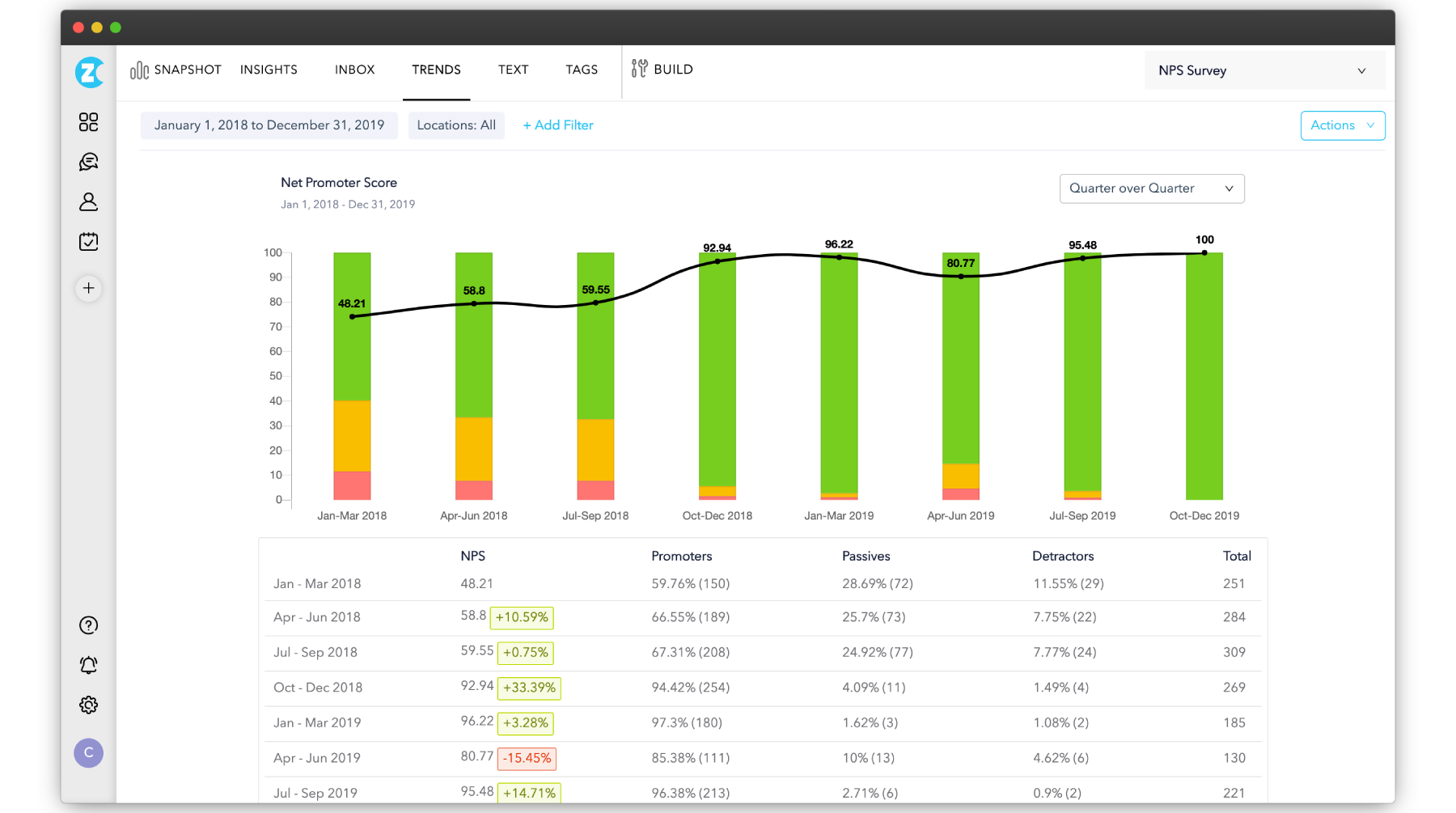
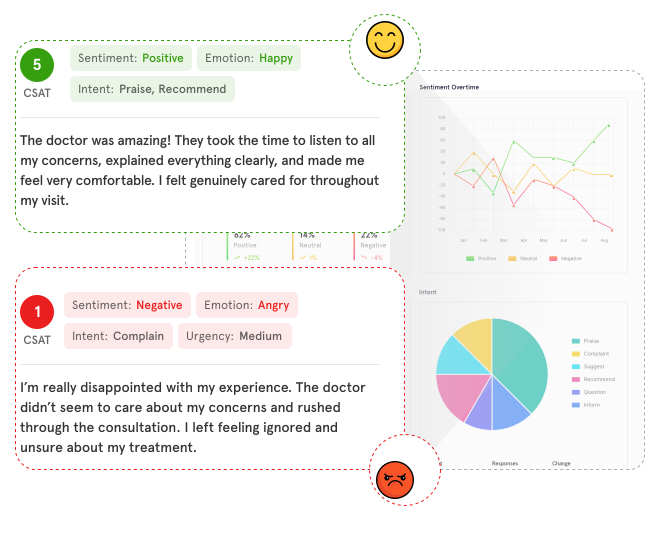
For comprehensive guidance on NPS data analysis and reporting, including advanced segmentation techniques, dashboard creation, and sentiment analysis methods, refer to our dedicated guides.
4. Taking Action and Closing the Feedback Loop
The true value of NPS comes from action. Identify key improvement areas, develop detailed response plans, implement changes with proper staff training, and continuously monitor effectiveness.
Closed-loop systems with AI alerts automatically assign follow-up tasks to the right leaders when negative feedback is received.
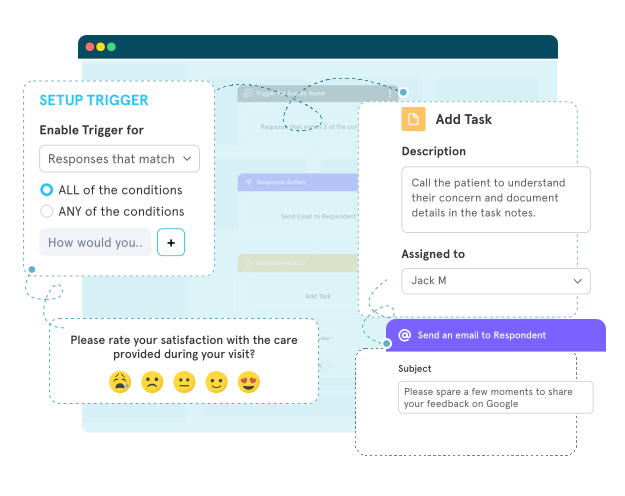
Acknowledge feedback promptly, communicate actions taken, and showcase success stories. For detailed strategies on closing the feedback loop effectively and turning detractors into promoters, see our comprehensive guide.
Best Practices for Using NPS More Effectively in Healthcare
To maximize NPS impact in healthcare settings, organizations must go beyond simply collecting feedback:
- Engage Promoters for Advocacy: Actively reach out to Promoters and encourage them to share positive experiences through online reviews and testimonials.
- Turn Detractors into Advocates: Address negative feedback swiftly by reaching out to Detractors and resolving concerns. Research shows that increasing retention by just 5% can boost profits by up to 95%. Learn proven strategies for addressing a bad NPS score.
- Focus on Passives to Prevent Churn: Reach out to Passive respondents with personalized solutions to exceed their expectations and move them toward becoming Promoters.
- Integrate Feedback into Training: Use NPS insights to develop targeted training programs addressing common patient concerns related to staff interactions and communication gaps.
- Monitor Trends and Benchmark Performance: Regularly review NPS trends and compare scores across departments. Understanding NPS limitations helps you interpret results accurately and set realistic improvement goals.
Strategies for Leveraging NPS in Healthcare
Consider these strategies to leverage Net Promoter Score in healthcare:
1. Predicting Healthcare Trends with NPS Feedback
NPS feedback reveals emerging patient expectations and healthcare trends. Use AI-driven sentiment analysis on NPS comments to uncover trends like rising demand for digital health services, identify demographic patterns (e.g., younger patients preferring mobile-first solutions), and share insights across teams to drive innovation. Running a structured NPS campaign ensures consistent data collection for meaningful trend analysis.
2. Integrating NPS with Operational KPIs
Connecting NPS scores with operational metrics provides a holistic performance view. Combine NPS data with readmission rates, appointment adherence, and staff responsiveness to identify operational changes needed. Track ROI of adjustments by monitoring how changes impact NPS scores. Understanding how NPS compares to other metrics through NPS vs CSAT vs CES analysis helps you select the right measurement approach for different touchpoints, while exploring NPS and customer lifetime value connections reveals long-term financial impact.
3. Establishing Real-Time Feedback Loops
Real-time NPS feedback loops enable immediate concern resolution. Use real-time alerts for low NPS scores allowing staff to reach out before issues escalate, create dashboards for live monitoring, and integrate NPS with predictive analytics to identify at-risk patients.
4. AI as Your Strategic Partner in 2026
AI in 2026 has shifted from cost-cutting tool to strategic innovation driver. Clinical-grade AI acts as a trusted copilot, automating documentation, surfacing care gaps, and streamlining communications. However, healthcare organizations must establish formal governance frameworks—2026 is the year health systems catch up to shadow AI with compliance policies ensuring patient safety while enabling innovation.
How Zonka Feedback Helps in Improving Net Promoter Score in Healthcare?
Zonka Feedback offers capabilities that help healthcare organizations capture actionable insights and streamline operations:
- Omnichannel Feedback Collection: Collect feedback through SMS, email, WhatsApp, and kiosks ensuring no patient is left unheard.
- Entity-Driven Feedback Management: Track feedback at granular levels—location, staff, and processes—to pinpoint underperforming areas.
- AI-Powered Sentiment and Themes Analysis: Categorize feedback by sentiment and identify recurring themes tied to locations or staff.
- HMIS/EHR Integration: Seamlessly sync with existing healthcare infrastructure for two-way data flow.
- Automated Workflows: Trigger surveys, assign tasks, and send notifications based on feedback for immediate action.
- Unified Response Inbox: Consolidate all feedback into one centralized inbox for streamlined grievance management.
Sankara Eye Hospitals leveraged Zonka Feedback to transform patient experience across 13 locations, achieving a 30% increase in feedback volume and gathering over 2.8 lakh responses. NPS automation and real-time alerts allowed staff to resolve grievances promptly, boosting patient satisfaction and loyalty. You can read their full success story here.
Conclusion
2026 marks a pivotal year for healthcare patient experience. With trust at historic lows, staffing shortages impacting access, and new HCAHPS requirements emphasizing care coordination, implementing effective NPS measurement systems is no longer optional—it's essential for survival and growth.
Implementing NPS surveys with AI-powered analysis and real-time feedback loops enables healthcare providers to identify improvement areas, develop targeted responses, and take action that patients notice. An effective patient feedback software makes this process seamless.
Zonka Feedback provides the tools healthcare organizations need to leverage NPS effectively, with AI sentiment analysis, workflow automation, and comprehensive reporting and analytics. Schedule a demo and discover how easy it is to measure NPS, analyze data, and implement changes to elevate patient satisfaction and deliver exceptional patient care in 2026 and beyond!